Choosing between cotton and linen: comfort, durability, and impact
Cotton and linen. Two fibers that have been around for centuries, dressing us in everything from breezy summer dresses to sturdy work shirts. These materials are beloved for their comfort, durability, and versatility. But what really sets them apart? And why should anyone care about their differences? Well, sit tight, because we’re about to dig into the nitty-gritty of these natural fabrics and maybe shed a little light on why they deserve a spot in your wardrobe—or your fabric stash.
Cotton, that fluffy white staple of closets everywhere, comes from the cotton plant. It’s soft, breathable, and hypoallergenic, making it a go-to for everything from t-shirts to baby clothes. On the other hand, linen, derived from the flax plant, is known for its incredible strength and cooling properties. Perfect for hot, sticky summer days when you just want something light and airy against your skin. Each has its own set of perks and quirks, but both have stood the test of time and trends.
The path from plant to fabric
Growing and harvesting cotton
The journey of cotton starts in the fields where the cotton plants grow. These plants love warm climates, so places like the southern United States, India, and China are prime locations for cotton farming. Once those fluffy bolls appear, it’s time for harvesting. Now, you might think picking cotton sounds straightforward, but there’s an art to it—getting those fibers off without damaging them is key.
After harvesting, the cotton undergoes ginning—a process that separates the seeds from the fibers. The fibers are then cleaned and spun into yarn. This yarn can be woven or knit into fabric. It’s amazing how those tiny seeds turn into the comfy jeans you’re probably wearing right now. For those interested in the specifics, cotton fabric has incredible versatility in making various types of clothing and textiles. And let’s not forget the by-products: cottonseed oil and feed for livestock. Talk about a plant that gives back!
The journey of flax to linen
Linen’s journey starts with the flax plant, which prefers cooler climates like those found in Northern Europe. Unlike cotton, flax plants are pulled up by their roots during harvest to preserve the long fibers. This is where things get a bit messy—literally. The harvested flax undergoes retting, a process where it’s left in fields to rot slightly so that fibers can be easily separated from the woody stalk.
Once retted, the flax is dried, crushed, and combed to extract those long, silky fibers that will eventually become linen fabric. Spinning these fibers into yarn requires skill; they’re more brittle than cotton fibers and need gentle handling. Spinning these fibers into yarn requires skill; they’re more brittle than cotton fibers and need gentle handling. But once woven into fabric, linen is incredibly durable and only gets softer with each wash. It’s a bit of a high-maintenance friend—prone to wrinkles—but worth it for its natural charm.
Comparing the environmental impacts
When it comes to sustainability, both cotton and linen have their pros and cons. Cotton farming is notorious for its water usage—some estimates suggest it takes about 2,700 liters of water to produce just one t-shirt! Yikes! Not to mention the pesticides and fertilizers often used in conventional farming practices that can harm local ecosystems.
However, organic cotton farming is making strides towards being more eco-friendly. It uses less water thanks to rain-fed crops and avoids harmful chemicals altogether. Still, transitioning global cotton production to fully organic methods is no small feat and faces numerous challenges.
Linen scores higher on the sustainability chart. Flax plants require far less water than cotton and can grow in poor soil conditions without heavy use of fertilizers or pesticides. Plus, every part of the flax plant is utilized in some way—talk about zero waste! Linen production is also less energy-intensive compared to synthetic fibers like polyester.
Benefits of choosing sustainable textiles
So why should anyone choose sustainable textiles like organic cotton or linen? For starters, there’s that feel-good factor knowing you’re doing something positive for the planet. Reducing water consumption, minimizing chemical use, and supporting eco-friendly farming practices all add up to a smaller environmental footprint.
But beyond the environmental benefits, there’s also something incredibly satisfying about using high-quality materials that are built to last. Sustainable textiles often come with better durability and comfort—like how linen gets softer with every wash or how organic cotton feels just that much nicer against your skin.
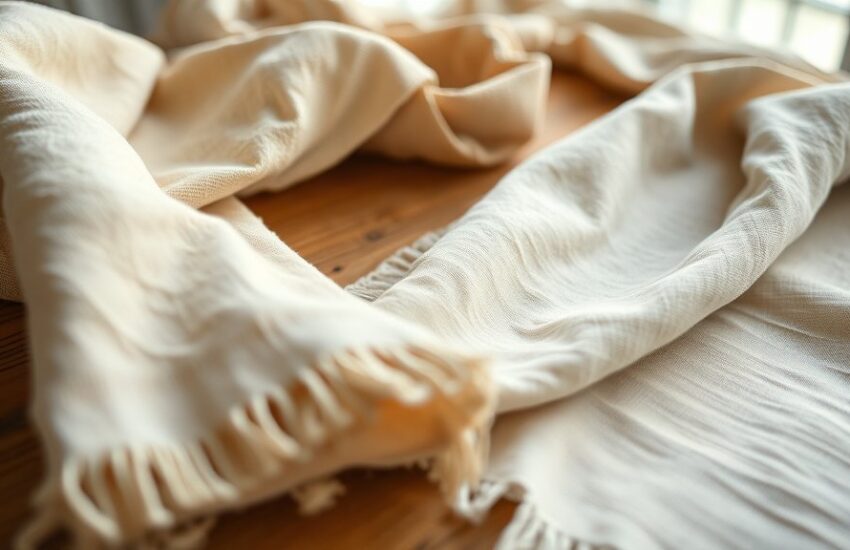
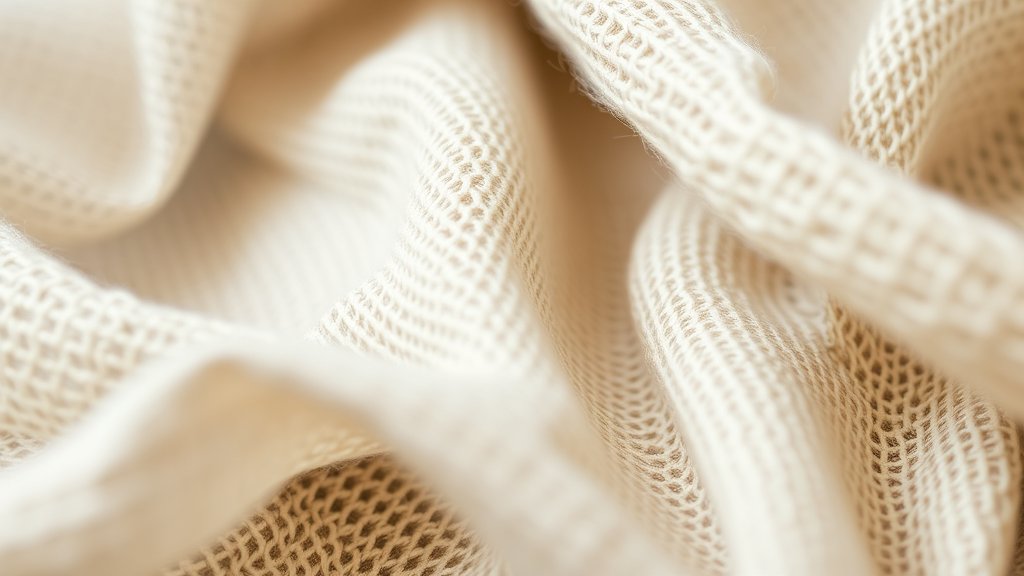
And let’s not forget the aesthetic appeal! Natural fibers tend to have a unique texture and look that synthetics just can’t replicate. Whether it’s the slubbed texture of linen or the smooth softness of well-spun cotton, these fabrics bring a touch of nature’s beauty into everyday life.
In the end, choosing sustainable textiles isn’t just about making a fashion statement; it’s about making conscious choices that benefit both people and the planet. So next time you’re shopping for fabrics or clothes, maybe give cotton or linen a second look—they’ve got a lot more going on than meets the eye.