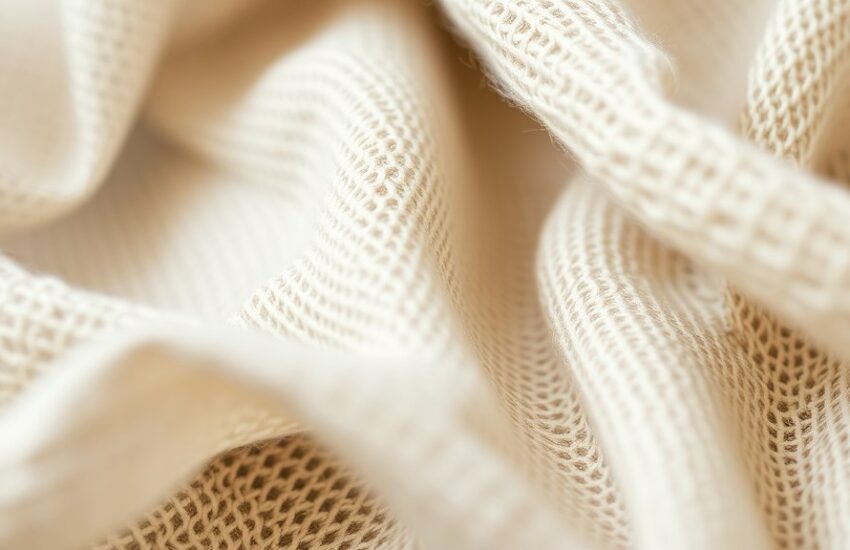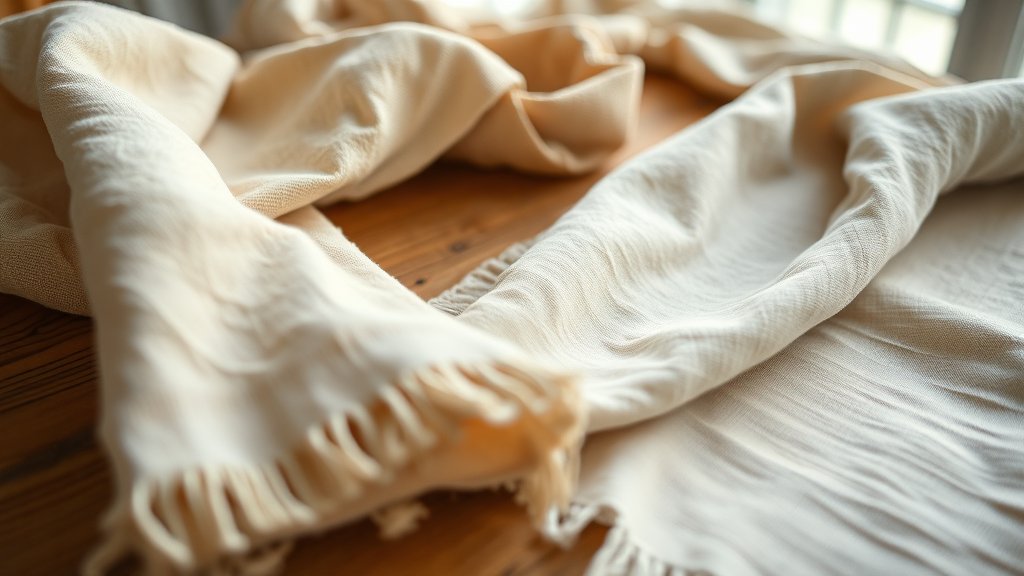
Choosing natural fabrics: the stylish, eco-friendly choice
It seems everywhere you look these days, natural fabrics are taking center stage. Whether it’s in fashion magazines, eco-friendly blogs, or even your favorite retail stores, the buzz around sustainable materials is hard to miss. Natural fabrics like cotton, linen, and hemp are not just a fleeting trend. They’re here to stay, making significant strides in the fashion industry.
These fabrics are gaining popularity for all the right reasons. They’re breathable, comfortable, and most importantly, kind to our planet. But what exactly makes them so special? Why are more and more people turning to natural fabrics for their wardrobe choices? Let’s dive deeper into the many benefits of embracing these eco-friendly materials.
The benefits of going green with your wardrobe
Switching to natural fabrics is like giving your wardrobe a green makeover. These materials offer a myriad of benefits that synthetic fabrics simply can’t match. For starters, natural fabrics are incredibly breathable. This means they allow air to circulate freely, keeping you cool in the summer and warm in the winter. No more sticky, uncomfortable clothes during those hot summer days!
Another significant advantage is their hypoallergenic properties. Natural fabrics like cotton and linen are less likely to cause skin irritations or allergies compared to synthetic materials. This makes them an excellent choice for people with sensitive skin or those prone to allergies. Imagine wearing a soft, gentle fabric that feels like a second skin – that’s the magic of natural fibers.
Moreover, natural fabrics are biodegradable and have a much lower environmental impact than their synthetic counterparts. They break down more easily, reducing the amount of waste in landfills. Plus, they’re often produced using fewer chemicals, which means less pollution and a healthier planet.
Meet the eco-friendly fabrics changing the game
When it comes to eco-friendly fabrics, there are several standout options that are making waves in the fashion world. Cotton fabric is probably the most well-known natural fabric. It’s soft, breathable, and versatile, making it a staple in many wardrobes. Organic cotton takes it a step further by being grown without harmful pesticides and chemicals, making it even kinder to the environment.
Linen is another fantastic option. Made from the flax plant, linen is known for its durability and breathability. It’s perfect for summer clothing as it keeps you cool and comfortable. Despite its tendency to wrinkle, which some find charmingly rustic, linen’s natural texture and timeless appeal make it a favorite among eco-conscious fashionistas.
Hemp is also gaining traction as a sustainable fabric choice. It’s incredibly strong and durable, yet softens with each wash. Hemp grows quickly and requires minimal water and pesticides, making it one of the most environmentally friendly crops out there. It’s often blended with other fibers like cotton or silk to create versatile textiles that can be used for everything from clothing to home decor.
How sustainable fashion impacts our planet
The shift towards sustainable fashion has profound implications for our planet. Traditional textile production is notorious for its environmental impact – from water pollution caused by dyeing processes to the massive amounts of waste generated by fast fashion. By opting for natural fabrics, consumers can play a crucial role in mitigating these harmful effects.
Sustainable fashion encourages responsible production practices that minimize environmental damage. For instance, organic farming methods reduce the use of toxic pesticides and fertilizers, leading to healthier soil and cleaner water sources. Additionally, many sustainable brands focus on ethical labor practices, ensuring fair wages and safe working conditions for their workers.
Furthermore, natural fabrics typically have a longer lifespan than synthetic ones. They’re more durable and tend to age beautifully, developing character over time rather than deteriorating quickly. This means fewer clothes end up in landfills, reducing waste and promoting a more circular economy where garments are valued and reused rather than discarded after a few wears.
Your choices matter in fashion
Every purchase decision has an impact – no matter how small it may seem. When choosing what to wear each day, opting for natural fabrics over synthetic ones can contribute to a larger movement towards sustainability. It’s about making mindful choices that reflect not only personal style but also environmental consciousness.
By supporting brands that prioritize eco-friendly materials and ethical practices, consumers can drive demand for more sustainable options in the market. This creates a ripple effect, encouraging more companies to adopt greener practices and innovate in ways that benefit both people and the planet.
So next time you’re shopping for new clothes or refreshing your wardrobe, consider the benefits of natural fabrics. They’re not just good for you – they’re good for the Earth too. After all, fashion isn’t just about looking good; it’s about feeling good inside and out.